Transforming Your Workplace with Advanced AV Solutions in Kansas City
In today’s fast-paced business environment, the importance of effective communication and collaboration cannot be overstated. Having a robust audio-visual (AV) system in the workplace is essential for enhancing these elements. This article serves as a comprehensive resource for understanding the intricacies of AV installation in office spaces, particularly within the vibrant Kansas City metropolitan area. As businesses increasingly rely on advanced technology, it is crucial for decision-makers to grasp the various facets of AV systems, from planning and installation to maintenance.
The rise of remote work and virtual meetings has further intensified the need for high-quality AV solutions. Companies are now investing in systems that not only support video conferencing but also enable seamless integration with existing technologies. This guide will explore the critical components of office AV installation, helping business professionals make informed decisions. With a focus on specific needs, such as budget management and system reliability, this article aims to equip readers with knowledge that is both actionable and relevant.
Understanding the landscape of AV technology is vital for any business aiming to stay ahead. Kansas City, known for its diverse industries and innovative companies, presents unique opportunities and challenges in AV integration. Whether you are an IT manager, facilities manager, or a business owner, this guide will provide insights tailored to your needs. By addressing common pain points and offering practical solutions, we will ensure that you are well-prepared to enhance your office environment through effective AV installations.
Understanding the Basics of Office AV Systems
To begin with, it is essential to understand the fundamental components of office AV systems. These typically include audio equipment, video displays, and control systems that allow for seamless integration. Audio components can range from microphones to speakers, all designed to facilitate clear communication during meetings and presentations. On the other hand, video displays can include anything from projectors to large format screens, which play a crucial role in sharing visual content effectively. office av installation kansas city
Moreover, the control systems are the backbone of any AV setup. They allow users to manage various components from a single interface, simplifying the operation during meetings. Advanced systems can even integrate with existing software, such as Zoom or Microsoft Teams, to streamline the user experience. By understanding these components, businesses can better evaluate their needs and select the appropriate equipment for their specific requirements.
It’s also important to consider the layout of the office space. The arrangement of furniture, lighting, and wall surfaces can significantly impact the effectiveness of an AV installation. For instance, reflective surfaces may enhance audio quality, while poor lighting can hinder video clarity. Therefore, conducting a thorough assessment of the workspace is essential before moving forward with installation. This preparation ensures that all elements work harmoniously to create an optimal communication environment.
Key Components of Audio Systems
When it comes to audio systems, clarity and reliability are paramount. Businesses should invest in high-quality microphones, which come in various types such as handheld, lapel, and ceiling-mounted options. Each type serves a different purpose and is suited to specific environments. For example, ceiling-mounted microphones are excellent for large conference rooms, capturing sound uniformly from all directions.
Equally important are the speakers used in the system. Choosing the right speakers can enhance audio clarity, ensuring that all participants, whether in-person or remote, can hear and be heard clearly. Additionally, implementing acoustic treatments in the room can further improve sound quality by reducing echoes and background noise. This attention to detail in the audio setup is critical for effective communication in any business environment.
Exploring Video Display Options
Video displays are another essential component of AV installations, offering various options depending on the needs of the business. Large format displays are ideal for presentations, allowing multiple participants to view content simultaneously. On the other hand, interactive whiteboards can enhance collaboration during brainstorming sessions, providing a dynamic way to share ideas and information.
When selecting video displays, businesses should consider factors such as resolution, screen size, and connectivity options. High-definition displays are crucial for ensuring that visuals are clear and engaging. Additionally, the ability to connect with multiple devices enhances versatility, making it easier for users to share content from laptops, tablets, or smartphones. This flexibility is particularly beneficial for companies that frequently host meetings with external clients or partners.
Control Systems: The Heart of AV Integration
The control system is often overlooked but is one of the most critical aspects of any AV installation. It serves as the command center for managing all AV components, allowing users to switch between different sources, adjust volume levels, and control video displays effortlessly. A well-designed control system can significantly enhance the user experience, making it easy for anyone to operate the AV setup without extensive training.
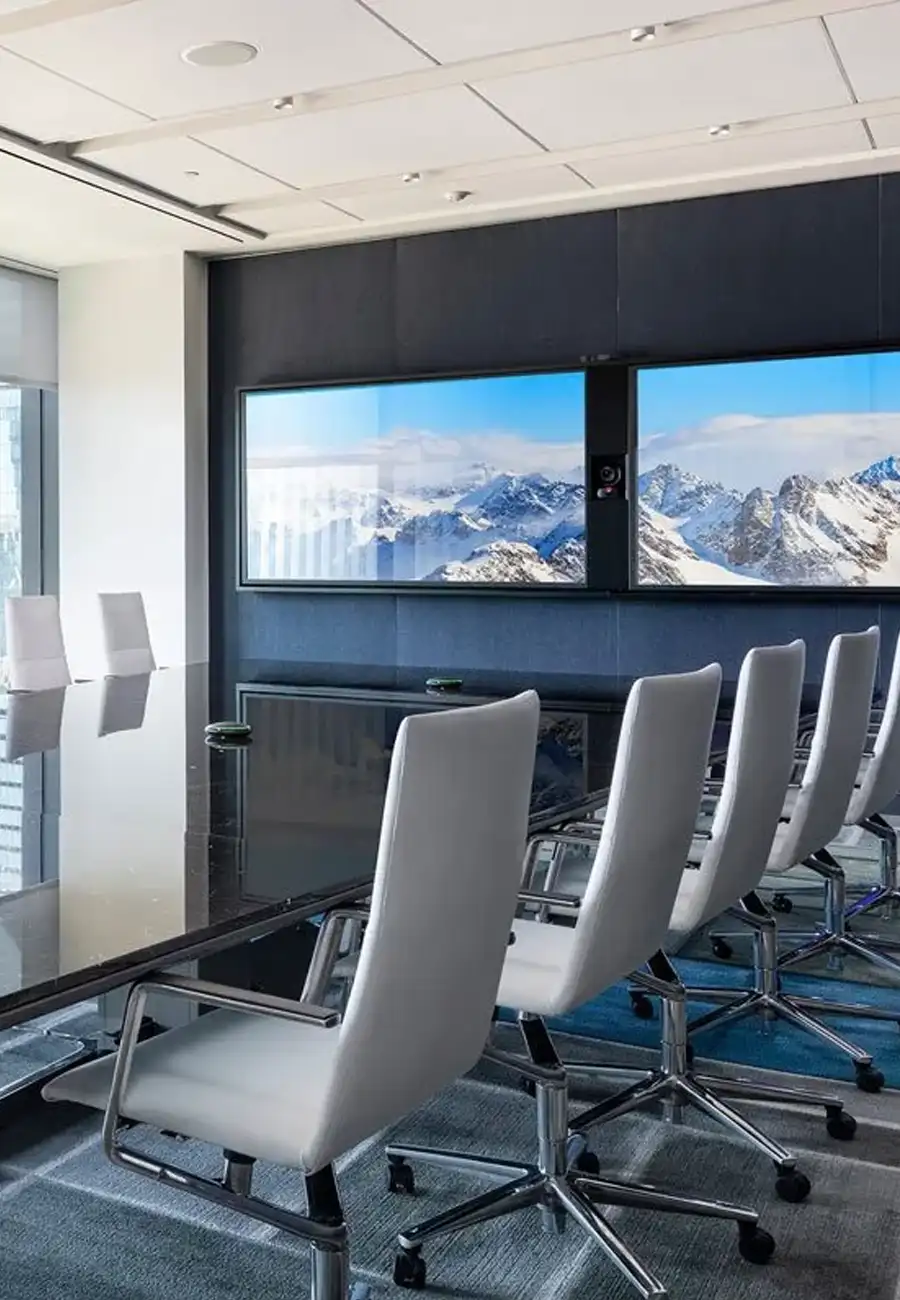
Modern control systems offer customizable interfaces and remote access capabilities, allowing users to manage their AV equipment from anywhere. This feature is particularly useful in flexible workspaces where employees may need to adjust settings on the fly. Investing in a robust control system can streamline operations, reduce downtime, and improve overall productivity in the workplace.
Planning Your AV Installation: Key Considerations
Effective planning is paramount for a successful AV installation. Before diving into the equipment selection phase, businesses must conduct a comprehensive needs assessment. This process involves evaluating the specific requirements of the office, including the number of users, types of meetings held, and the existing technological infrastructure. By understanding these factors, businesses can tailor their AV solutions to meet their unique needs.
Budget constraints are another critical consideration. AV installations can vary significantly in cost, depending on the quality of the equipment and the complexity of the setup. It’s essential to establish a budget early in the planning process, taking into account both initial installation costs and ongoing maintenance expenses. This foresight can help prevent overspending and ensure that the chosen solutions provide maximum value over time.
Additionally, businesses should consider future scalability when planning their AV installations. Technology is constantly evolving, and what may be cutting-edge today could become outdated in a few years. Therefore, selecting equipment that can be easily upgraded or expanded is crucial for long-term success. By keeping future growth in mind, businesses can ensure their AV investments remain relevant and effective.
Conducting a Site Survey
A site survey is an essential step in the planning process, allowing businesses to assess their physical space and determine the best AV setup. This survey should evaluate factors such as room dimensions, furniture layout, and the existing electrical infrastructure. Understanding the physical characteristics of the space will help inform decisions about equipment placement and installation methods. IntegrateIT av services
During the site survey, it's also important to take note of potential challenges, such as poor lighting conditions or acoustics that may hinder the effectiveness of the AV system. Identifying these issues early allows businesses to develop strategies to mitigate them, such as adding acoustic panels or adjusting lighting fixtures. This thorough assessment ensures that the final AV installation meets the highest standards of performance.
Choosing the Right AV Partner
Partnering with a reputable AV installation company can make a significant difference in the success of your project. A knowledgeable partner can provide valuable insights into equipment selection, installation best practices, and ongoing support. When selecting an AV provider, it is crucial to evaluate their experience, customer reviews, and portfolio of past projects.
A good AV partner will also understand the unique needs of your business and be able to offer tailored solutions that align with your goals and budget. They should be willing to work closely with your team throughout the installation process, ensuring that all aspects of the project are executed smoothly. This collaborative approach can result in a more effective AV system that truly enhances communication and collaboration in the workplace.
Maintaining Your AV System for Optimal Performance
Once your AV system is installed, ongoing maintenance is essential to ensure its optimal performance over time. Regular maintenance can help identify potential issues before they become significant problems, minimizing downtime and improving reliability. This includes routine checks of all equipment, including audio and video components, to ensure they are functioning correctly.
It is also crucial to keep software and firmware updated. Many AV systems rely on software for operation, and outdated software can lead to compatibility issues and reduced functionality. Implementing a regular update schedule can help keep your system running smoothly and enhance its capabilities. Additionally, training employees on how to use the system effectively can further improve overall performance.

Common Maintenance Tasks
Some common maintenance tasks include checking connections, cleaning equipment, and monitoring performance metrics. Regularly inspecting cables and connections can help prevent signal loss or disruptions during critical meetings. Cleaning equipment, such as microphones and cameras, helps maintain audio and video quality, while monitoring performance metrics can provide insights into how the system is being used and where improvements can be made.
Additionally, businesses should consider establishing a dedicated support line with their AV provider. This arrangement ensures that assistance is readily available for troubleshooting or technical issues that may arise. Having a reliable support system in place can significantly reduce the stress associated with managing AV technology, allowing employees to focus on their core responsibilities. integrateit.tech online
Pros and Cons
- Pros:
- Enhanced communication with clear audio and video capabilities, fostering collaboration among team members.
- Increased productivity through seamless integration with existing software and tools, making meetings more efficient.
- Customizable solutions tailored to specific business needs, ensuring that systems meet unique requirements.
- Future-proofing technology investments by selecting scalable options that allow for upgrades as needed.
- Cons:
- Initial installation costs can be significant, especially for high-quality systems that require specialized components.
- Ongoing maintenance can add to the overall expenses, requiring businesses to allocate budget for regular checks and updates.
- Complex systems may require extensive training for staff, leading to temporary disruptions during the learning phase.
In weighing the pros and cons of office AV installation, it's clear that while the initial investment and maintenance can be considerable, the benefits of enhanced communication and collaboration are substantial. Businesses must carefully assess their unique situations to determine whether the long-term advantages of effective AV systems outweigh the short-term challenges. With the right planning and execution, companies can experience significant improvements in their operational efficiency and team dynamics.
Frequently Asked Questions
- What factors should I consider when choosing an AV system?
When selecting an AV system, consider the size of your office space, the number of users, the types of meetings held, and your budget. Assessing these factors will help you choose equipment that meets your needs while ensuring seamless integration with existing technologies.
- How can I ensure my AV system remains up-to-date?
To keep your AV system current, establish a regular maintenance schedule that includes software updates and equipment checks. Additionally, consult with your AV provider about the latest technologies and upgrades that may benefit your setup.
- What should I do if my AV system experiences technical issues?
If you encounter technical problems, refer to your user manual for troubleshooting tips. If the issue persists, contact your AV provider for support. Having a dedicated support line can help resolve issues quickly and minimize downtime.
Conclusion
In conclusion, navigating the world of office AV installation in Kansas City can seem daunting, but understanding the key components and considerations can simplify the process. From selecting the right audio and video systems to conducting thorough planning and maintenance, each step is crucial for creating an effective AV environment. By prioritizing communication and collaboration through advanced technology, businesses can enhance their operational efficiency and foster a more productive workplace.
Ultimately, the choice to invest in AV solutions is a strategic decision that can yield significant long-term benefits. By carefully evaluating your needs and partnering with experienced AV providers, you can ensure that your office is equipped with the tools necessary for success in today’s dynamic business landscape. Embracing these advancements will not only improve internal processes but also enhance external communications, paving the way for future growth.

